
Views: 0 Author: Site Editor Publish Time: 2026-04-25 Origin: Site


Skincare routines rely heavily on the efficacy of active ingredients. The delicate skin around your eyes requires targeted treatments, often packed with sensitive compounds like retinol, vitamin C, and peptides. Formulating these products is a complex science, but the formula itself is only half the battle. How a skincare product is stored and dispensed directly impacts its longevity, safety, and overall effectiveness.
Consumers often focus entirely on the ingredient list printed on the back of the box. They look for specific vitamins or hydrating agents to solve their unique skincare concerns. Yet, the container holding that luxurious serum or cream plays a massive role in whether those ingredients actually work by the time they reach your skin.
Proper packaging prevents oxidation, contamination, and degradation of light-sensitive compounds. Among the various options available on the market, the eye cream tube has emerged as a superior choice for both brands and daily users. This container format elegantly solves many of the problems associated with traditional skincare packaging, ensuring that every drop remains potent and safe to use.
When an eye cream is exposed to the open air, a chemical reaction known as oxidation begins. Active ingredients slowly lose their potency, meaning the product becomes less effective with each passing day. Traditional open-mouth jars expose a large surface area of the cream to oxygen every time the lid is unscrewed.
An eye cream tube significantly minimizes this exposure. The narrow opening restricts airflow, keeping the active ingredients stable for a much longer period. This design preserves the integrity of antioxidants and vitamins, ensuring that the product delivers the promised results from the first application to the last.
Hygiene is another critical factor in skincare. Dipping fingers into a jar introduces bacteria, oils, and dirt into the product. The skin around the eyes is exceptionally thin and prone to irritation or infection. Tube packaging eliminates the need to touch the bulk of the product. You simply dispense the exact amount needed onto a clean fingertip or applicator, keeping the remaining cream completely pristine and free from bacterial growth.
Manufacturers have experimented with glass, stiff plastics, and metals. Recently, the squeeze soft plastic tube has become the industry standard for eye care products. This material offers a unique blend of durability, flexibility, and user-friendliness that other materials struggle to match.
A squeeze soft plastic tube gives the user complete control over the amount of product dispensed. Eye creams are typically highly concentrated, meaning you only need a drop roughly the size of a grain of rice for both eyes. Soft plastic responds instantly to gentle pressure, allowing you to dispense a microscopic amount without accidental waste.
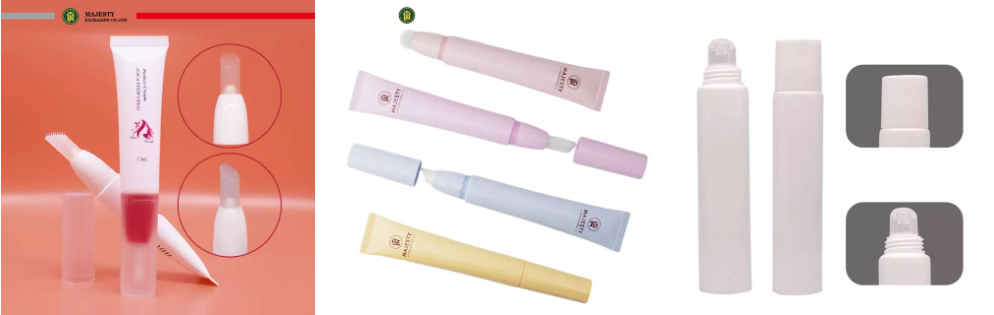
Many of these tubes also feature specialized applicator tips. Cooling metal rollerballs or slanted ceramic applicators can be built directly into the head of the squeeze soft plastic tube. This allows you to apply the cream directly to the undereye area, providing a soothing massage that helps reduce morning puffiness while applying the product seamlessly.

From a production standpoint, soft plastic tubes are lightweight and highly durable. They do not shatter like glass during shipping, reducing product loss and transportation costs. Because they are lighter, they also require less fuel to transport, lowering the overall carbon footprint of the shipping process.
Many modern eye cream tube packaging solutions are now made using post-consumer recycled (PCR) plastics or bio-based plastics derived from sugarcane. This shift allows skincare brands to maintain the functional benefits of the soft squeeze tube while meeting the growing consumer demand for environmentally responsible packaging.
To understand why the soft plastic tube dominates the eye care market, it helps to look at how it stacks up against other common packaging formats.
Packaging Type | Air Exposure | Hygiene Level | Product Waste | Portability |
|---|---|---|---|---|
Glass Jar | High | Low (requires finger dipping) | Low | Poor (heavy, breakable) |
Airless Pump | Very Low | High | Medium (pump may fail) | Moderate (often bulky) |
Squeeze Soft Plastic Tube | Low | High | Very Low (easy to squeeze out) | Excellent (light, durable) |
As the table illustrates, the squeeze soft plastic tube offers a highly balanced profile. It provides excellent hygiene and portability while ensuring the consumer can extract nearly all of the product before throwing the container away.
Selecting the right skincare products requires looking beyond the marketing claims and examining how the product is built. The next time you shop for a new hydrating serum or wrinkle-reducing cream, pay close attention to the eye cream tube packaging.
Choosing a product housed in a squeeze soft plastic tube ensures your active ingredients stay potent, your application remains hygienic, and your investment doesn't go to waste. A great formula deserves great packaging, and understanding this relationship will help you achieve the best possible results for your skin.


