
Views: 0 Author: Site Editor Publish Time: 2026-09-28 Origin: Site


Beauty brands live and die by first impressions, and nothing forms that impression faster than what a customer holds in their hand before they even open the product. For lip care products specifically, the container isn't just a delivery mechanism. It's a silent salesperson that communicates quality, hygiene, and brand identity before a single word of marketing copy is read.
This shift in thinking has pushed manufacturers and brand owners alike to rethink how their products are contained, protected, and presented. A well-designed lip balm tube can extend product shelf life, reduce contamination, and create a tactile experience that customers remember. Meanwhile, brands that overlook container quality often see higher return rates and weaker repeat purchases, regardless of how good the formula inside performs.
This article breaks down what's driving current trends in cosmetic containers for lip care products, the material choices available, and how brands can select the right format for their specific goals.

Material selection sits at the center of every packaging decision. Most cosmetic tubes are built from PE (polyethylene), ABL (aluminum barrier laminate), or PBL (plastic barrier laminate). Each material offers a different balance of flexibility, barrier protection, and production cost, which is why manufacturers like Majesty Packaging offer multiple options depending on the formula being housed.
Lip balm squeeze tubes typically favor PE or PBL construction because these materials flex easily under hand pressure while still holding their shape when empty shelf space is a concern. ABL, by comparison, offers stronger barrier protection against oxygen and moisture, making it a better fit for formulas that are sensitive to air exposure.
The table below compares these three material types across the factors brands care about most.
Material | Flexibility | Barrier Protection | Best Suited For |
|---|---|---|---|
PE (Polyethylene) | High | Moderate | Everyday balms, low-sensitivity formulas |
ABL (Aluminum Barrier Laminate) | Low | High | Oxygen-sensitive or oil-based formulas |
PBL (Plastic Barrier Laminate) | Moderate to High | Moderate to High | Formulas needing a balance of squeeze and protection |
Format choice changes how a customer physically interacts with a product. Twist-up sticks, pots, and squeeze formats each create a different application ritual, and that ritual becomes part of the brand experience over time.
Squeeze formats have grown in popularity for lip care because they allow for thicker, more nourishing formulas that wouldn't glide smoothly from a stick applicator. Brands producing balms with shea butter, beeswax blends, or heavier oils often lean toward this format specifically because the lip balm packaging needs to accommodate viscosity without clogging an applicator tip.
Format also affects perceived value. A sturdy, well-finished tube signals quality even before the customer reads the ingredient list, while a flimsy or poorly sealed container can undercut an otherwise premium formula.
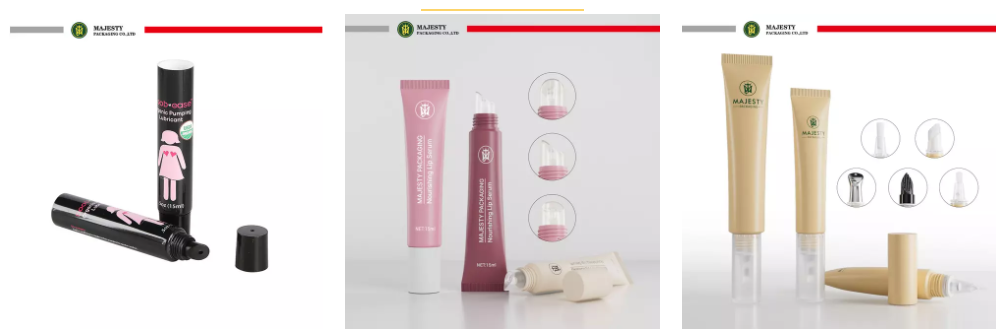
Differentiation matters more than ever in a crowded beauty market, and container customization is one of the most direct ways to achieve it. Options such as color matching, surface finishes (matte, glossy, soft-touch), custom printing, and shape variations allow brands to build a container that reflects their identity rather than settling for generic stock options.
Logo placement and cap design also play a larger role than many brands initially expect. A distinctive cap shape or an embossed logo can make a product recognizable on a shelf from several feet away, which matters enormously in retail environments where shoppers make snap decisions.
Manufacturers that offer full customization support, from mold development to finish selection, give brands the flexibility to build packaging that grows with their product line rather than constraining future designs.
How long does it take to produce custom cosmetic tubes?
Production timelines vary based on customization complexity, but standard orders with existing molds typically move faster than fully custom shapes requiring new mold development. Brands should confirm timelines directly with their manufacturer before finalizing launch dates.
Are squeeze tubes more expensive than stick or pot formats?
Pricing depends on material, order volume, and customization level rather than format alone. A basic PE lip balm tube can be comparably priced to a stick applicator, while heavily customized options in any format will carry a higher price point.
What alternatives exist to plastic-based tube packaging?
Some manufacturers now offer more sustainable material blends alongside traditional PE, ABL, and PBL options. Brands prioritizing environmental impact should ask suppliers directly about available sustainable material lines.
Who benefits most from squeeze-style lip care containers?
Brands with thicker, oil-rich, or butter-based formulas tend to benefit most from squeeze formats, since these formulas don't glide as easily from twist-up sticks. Lighter, waxier formulas often perform well in either format.
Can small brands order custom lip care packaging in low quantities?
This depends on the manufacturer. Some suppliers accommodate smaller minimum order quantities for standard shapes, while fully custom molds usually require higher volume commitments to offset tooling costs.
Selecting the right container for a lip care line comes down to matching material, format, and customization level to the specific formula and brand identity involved. Heavier, oil-based balms tend to perform best in flexible squeeze formats with barrier-protective materials, while lighter formulas offer more flexibility across stick, pot, or squeeze options.
Brands should start by identifying their formula's sensitivity to air and moisture, since this alone narrows the material shortlist considerably. From there, working with a manufacturer that offers hands-on customization support, such as mold development, finish options, and printing capabilities, makes it far easier to build packaging that reflects the brand rather than settling for generic alternatives.
In short: cosmetic tube selection for lip care products depends on formula viscosity, sensitivity to air and moisture, and how much shelf differentiation a brand needs. PE and PBL materials suit flexible squeeze formats for thicker balms, while ABL offers stronger protection for oxygen-sensitive formulas. Brands aiming for shelf standout should prioritize manufacturers offering full customization, from color and finish to shape and logo placement, ensuring the final lip balm packaging aligns with both the formula's needs and the brand's visual identity.


