
Views: 0 Author: Site Editor Publish Time: 2025-12-09 Origin: Site


In the competitive world of cosmetics and personal care, the product inside is only half the battle. The other half? How that product is presented to the world. For lip care brands, the humble lip balm tube is not just a vessel; it is the primary touchpoint between the brand and the consumer. It’s the item that gets tossed into purses, jumbled in pockets, and reached for on dry, windy days.
Choosing the right packaging is a critical decision that impacts everything from manufacturing costs to user experience and brand perception. Whether you are launching a new line of organic balms or rebranding an existing favorite, understanding the nuances of lip balm packaging is essential for success.
When a customer picks up a lip balm off the shelf, they aren't just buying hydration; they are buying an experience. The tube plays a massive role in this. Is it sturdy? Does the cap stay on tight? Does the twist mechanism work smoothly, or does it jam halfway up?
A high-quality lip balm tube protects the formulation from contamination, oxidation, and physical damage. But beyond protection, it serves as a canvas for your brand identity. The texture, color, and finish of the tube communicate the quality of the product before the consumer even tries it. A sleek, matte-finish tube suggests luxury, while a vibrant, glossy tube might appeal to a younger demographic.
Before diving into aesthetics, brands must ensure the functional integrity of their packaging. A beautiful tube is useless if it fails to dispense the product effectively.
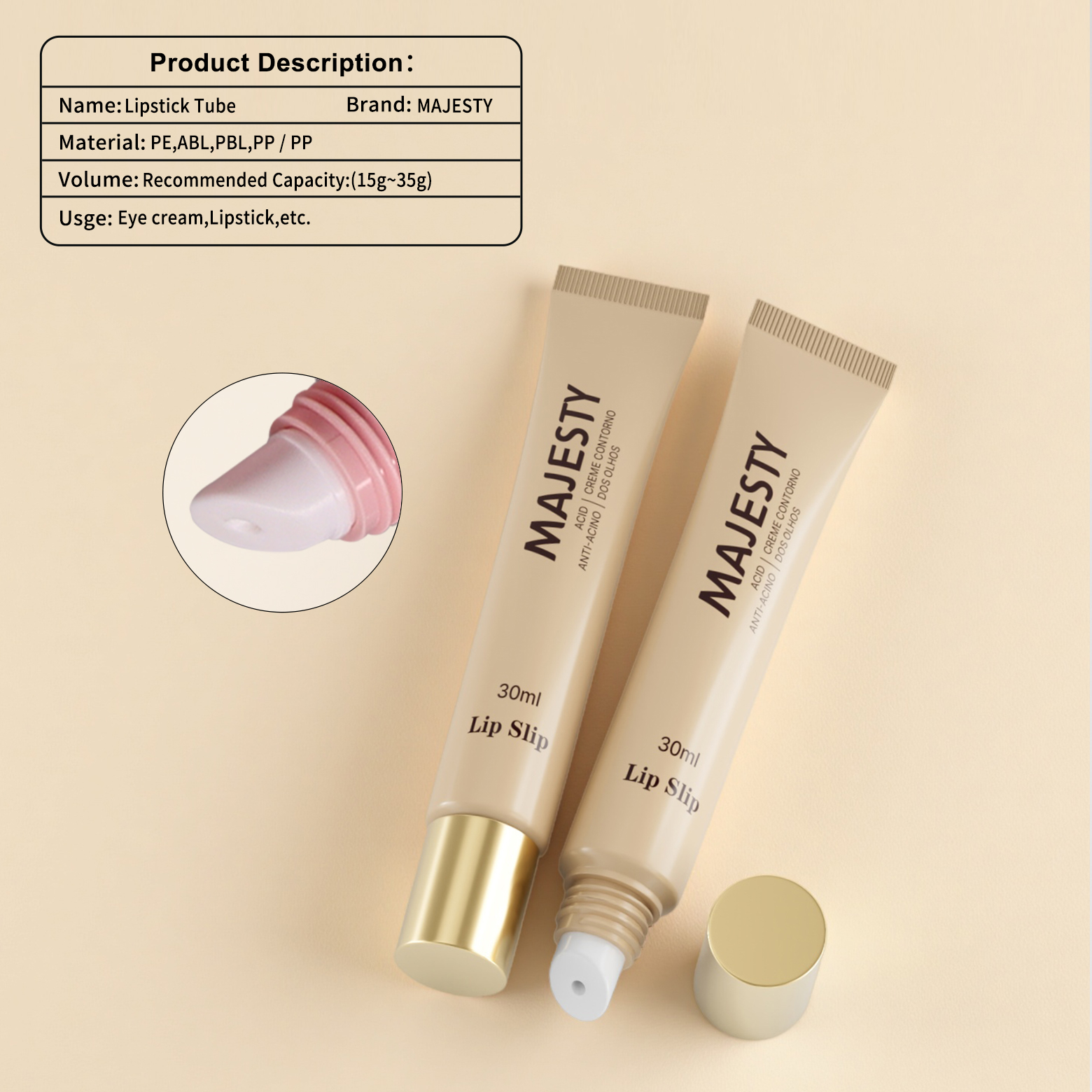
The propelling/repelling mechanism is the heart of the standard stick format. This internal screw system needs to be robust enough to handle the viscosity of various formulations—from soft, oil-based salves to harder, wax-based sticks. A mechanism that strips or gets stuck is a surefire way to lose a repeat customer.
There is nothing worse than a lip balm cap popping off inside a bag, ruining both the product and the lining of the bag. The "snap" of a cap provides audible assurance of security. Manufacturers often look for precise engineering tolerances to ensure a friction fit that is tight enough to stay on, but easy enough to remove with slippery hands.
Are you top-filling or bottom-filling? Standard tubes are usually bottom-filled, where the molten balm is poured into the tube while upside down. However, many modern lip balm tubes are designed for top-filling to accommodate different manufacturing lines. Knowing your filling capabilities is the first step in selecting the right packaging hardware.
The material of your packaging dictates its cost, durability, and environmental footprint. While traditional plastics have long been the industry standard due to their affordability and durability, the landscape is shifting. Brands are increasingly weighing the benefits of traditional polymers against newer, eco-conscious alternatives.
To help you navigate these choices, here is a breakdown of common materials used in lip balm packaging:
Material Type | Durability | Eco-Friendliness | Cost Profile | Best Application |
Polypropylene (PP) | High | Low (Recyclable but often virgin plastic) | Low | Mass-market products requiring high durability and moisture resistance. |
PCR (Post-Consumer Recycled) | Medium-High | High (Uses existing plastic waste) | Medium | Brands wanting to maintain plastic durability while reducing virgin plastic use. |
Paperboard | Low-Medium | Very High (Biodegradable/Compostable) | Medium-High | Organic, all-natural, and zero-waste brands. Push-up format usually required. |
Aluminum | Very High | High (Infinitely recyclable) | High | Premium, luxury lip treatments. Offers a cool-to-touch, high-end feel. |
Bioplastics (Plant-based) | Medium | High (Derived from renewable sources) | High | Eco-conscious brands looking for a plastic-like feel without petroleum reliance. |
Once the material and mechanism are selected, the focus shifts to branding. In a saturated market, a generic white tube often isn't enough to grab attention. This is where customization becomes a powerful tool for differentiation.
Partners like Majesty Packaging specialize in transforming standard stock components into bespoke brand assets. Customization goes far beyond simply sticking a label on a tube. It involves:
· Custom Color Matching: Instead of standard white or clear, brands can opt for tubes injection-molded in their specific Pantone brand colors. This creates a seamless look that labels alone cannot achieve.
· Deco Techniques: Silk screening, hot stamping, and offset printing allow for logos and ingredients to be printed directly onto the tube. This eliminates the risk of labels peeling off and offers a more premium, integrated look.
· Finishes: Playing with texture can significantly boost shelf appeal. Soft-touch coatings give a velvety feel that implies luxury, while metallic finishes catch the light and draw the eye.
Working with an experienced supplier like Majesty Packaging allows brands to explore these options without navigating the complexities of manufacturing alone. They can guide you on which printing techniques work best with specific materials, ensuring that your design vision translates perfectly to the physical product.
The conversation around packaging is incomplete without addressing sustainability. Consumers are becoming increasingly critical of single-use plastics, and the cosmetics industry is under pressure to adapt.
The lip balm tube has historically been difficult to recycle due to its small size and mixed components (the plastic body, the internal screw, and the residue of the balm). However, innovation is driving change.
One of the biggest hurdles in recycling is mixed materials. New mono-material tubes, made entirely from a single type of plastic (like Polypropylene), simplify the recycling process. Because the cap, body, and mechanism are all the same material, the entire unit can be processed together without disassembly.
Paper tubes are gaining massive popularity for their eco-credentials. These are typically "push-up" tubes rather than twist-up, requiring a change in consumer behavior. However, for brands whose ethos centers on "natural" or "plastic-free," paper tubes serve as a physical embodiment of those values.
At the premium end of the market, refillable systems are emerging. The consumer buys a durable, perhaps metal, outer case once, and purchases simple refills of the balm. This significantly reduces waste over the product's lifecycle and builds strong brand loyalty.
While the standard 0.15 oz (4.25g) tube is the most recognizable size, it is not the only option.
· Slim Tubes: These offer a more elegant, lipstick-like aesthetic. They are often used for tinted balms or gloss hybrids.
· Jumbo Tubes: Larger, wider tubes are excellent for heavy-duty balms intended for body application or simply for those who want a larger surface area for application.
· Mini Tubes: Perfect for sample sets or hotel amenities, these smaller versions offer a low-risk entry point for new customers.
The size of the tube dictates the amount of formula required and the size of the label or print area. It is vital to balance the desire for a unique shape with the practicalities of filling equipment and retail display space.
Finally, a lip balm tube must meet regulatory standards. Because lip balm is applied to the mouth, the materials used must be food-grade and non-toxic. Furthermore, packaging must accommodate necessary labeling information, including ingredients, weight, and distributor details, which varies by region (FDA in the US, EU regulations in Europe).
A reputable packaging partner will ensure that materials comply with safety standards, preventing chemical leaching that could alter the formula's safety or scent.
The journey of a lip balm from a manufacturing vat to a customer's pocket is heavily reliant on the tube that carries it. It is a protective shell, a marketing billboard, and a functional tool all in one.
By carefully selecting materials, prioritizing robust mechanisms, and leveraging customization options from experts like Majesty Packaging, brands can create a product that stands out in a crowded marketplace. Whether you prioritize sustainability, luxury, or affordability, the right tube is out there—ready to elevate your brand.


